
Digital Design and Technology in Architecture: The Revolution of Modern Tools
Architecture is an art and a science at the same time, and it has always been at the center of innovation and technological development. Today, in the age of the digital revolution, architecture is at the intersection of modern tools such as 3D printers, artificial intelligence, and virtual reality, which are reshaping architectural practice, providing boundless opportunities for creativity and innovation.
3D Printers: Rethinking Forms and Materials
3D printers have become an integral part of modern architectural practice. They allow architects to create physical mockups and prototypes with complex geometric shapes that would be nearly impossible using traditional methods. This allows architects to more accurately visualize and test their ideas before construction begins.
Experiments and projects are underway in various countries around the world to 3D print homes. The process involves 3D printing of walls and other elements, allowing for quick and efficient construction of housing with minimal cost and waste.
A lot of architects and designers use 3D printers to create experimental architectural forms and installations. These projects may include sculptures, building prototypes, or interactive installations.
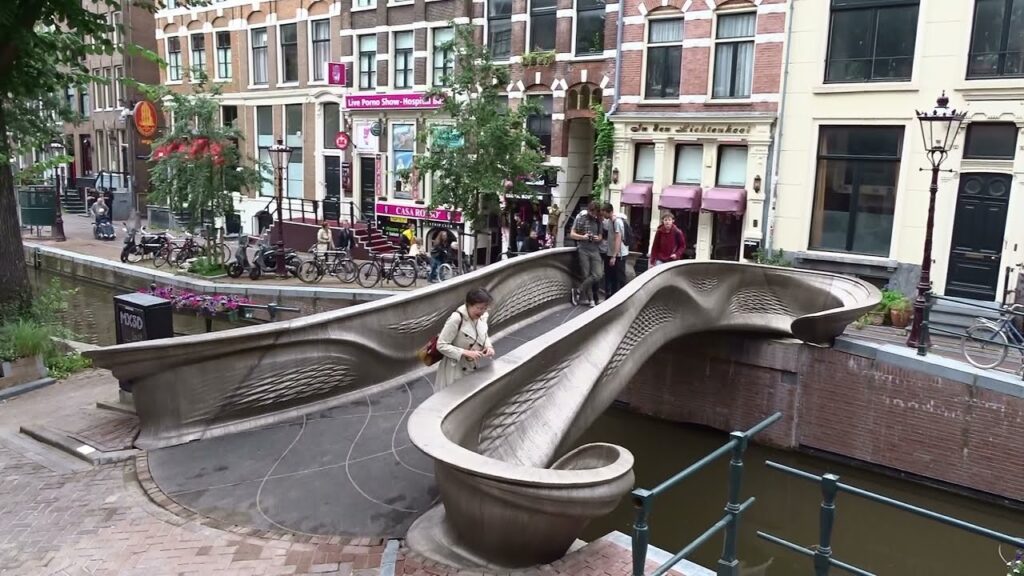
A striking example of the use of this technology is a 3D-printed bridge in the Netherlands. In 2017, a bridge was built in the Netherlands, the elements of which were made using a 3D printer. This project demonstrates the potential of 3D printing to create infrastructure.
Artificial Intelligence: Optimization and Analysis
Artificial Intelligence (AI) in architecture helps architects to optimize design by considering various parameters such as energy efficiency, structural reliability and visual appeal.
AI is used to analyze large amounts of data including climatic conditions, geological characteristics, and energy consumption data. These analyses help in determining the most sustainable and efficient solutions in the design of buildings and cities.
When designing large urban complexes and infrastructure, AI helps analyze data on transportation, demographics, ecology, and other factors to develop sustainable and functional urban plans.
Virtual Reality: Interactive Visualization and Demonstration
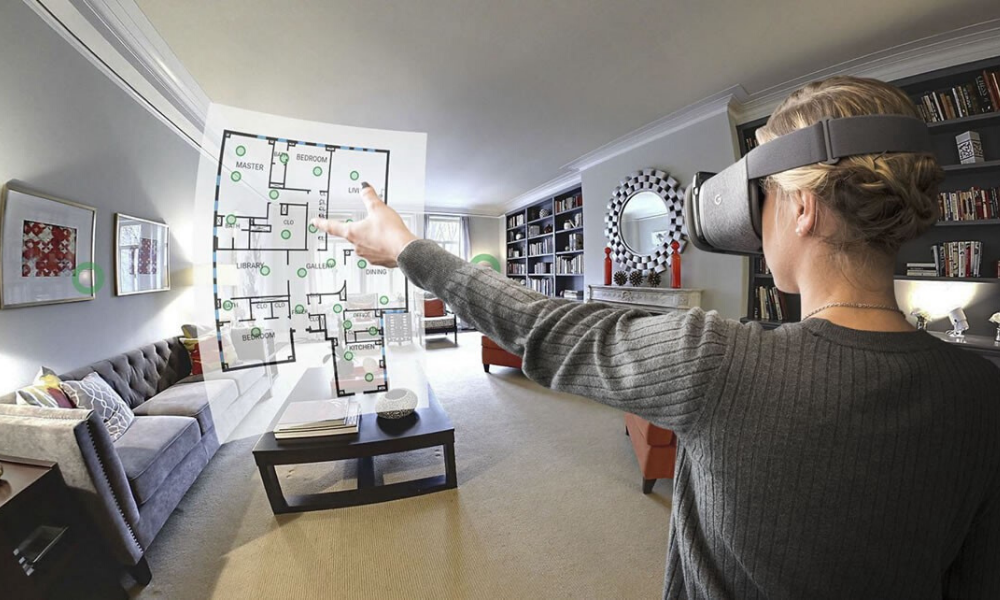
Virtual Reality (VR) opens new horizons for visualizing architectural projects. Architects and clients can explore virtual models of buildings and spaces, allowing them to better understand the intended design and make necessary changes before construction begins. It also simplifies communication between architects, engineers and clients, reducing potential misunderstandings.
Conclusion
Digital design and modern technologies have become indispensable tools in architectural practice. They allow architects to realize their ideas with greater precision and efficiency, reduce negative environmental impact, and create more sustainable and functional buildings. This revolution in architecture is not only pushing the boundaries of creativity, but also contributing to a better quality of life for people through more innovative and sustainable urban and architectural solutions.